 Soggiorna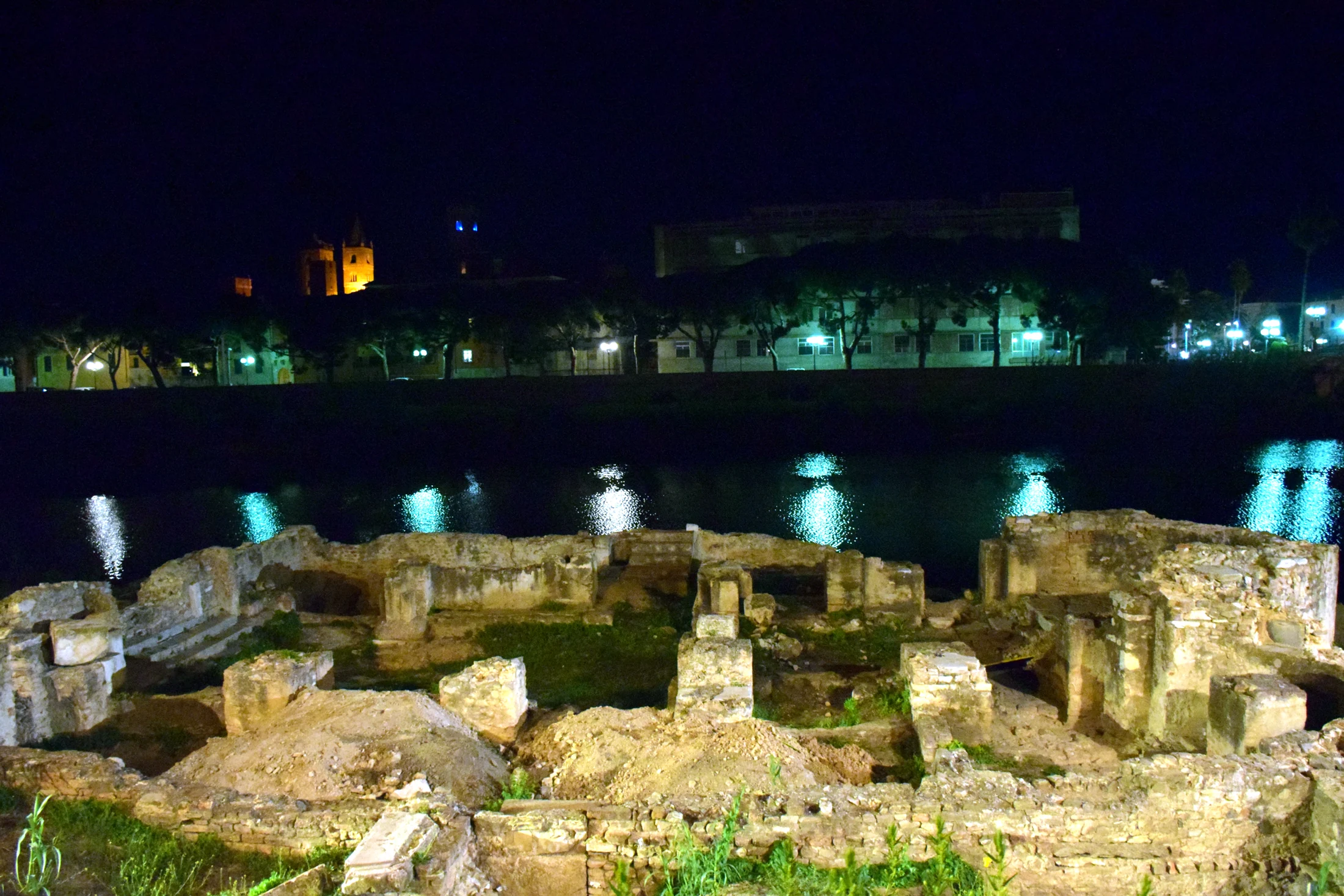
Along this coastline, things are usually separate: there’s the stone village up in the hills and the seaside resort down below, with a steep climb between them. Not in Albenga. From the train station to the free beaches, it’s only 469 meters—about a seven-minute walk—and in the opposite direction, at the same distance, lies one of Liguria’s best-preserved medieval centers.
This is the first thing you need to know, because it determines who should visit here.
The Oldest Building in Liguria
In the historic center stands a 5th-century Early Christian baptistery: octagonal inside, decagonal outside, restored in the late 19th century by architect Alfredo d'Andrade.
This isn’t an exaggeration: it is the oldest standing building in Liguria, and one of the best-preserved baptisteries in Italy. Inside, it houses a Trinitarian-Christological mosaic from the same period as the great cycles in Ravenna—meaning it’s contemporary, not a later imitation.
If you see only one thing in Albenga, make it this.
The Hundred Towers, and Why There Are So Many
Albenga is known as the city of a hundred towers due to the medieval towers built by noble families in the 13th century. But the interesting fact isn’t how many there are; it’s that, according to tradition, owning at least one ship was required to build a tower.
The towers weren’t for decoration or defense: they were a vertical naval register. Looking at Albenga’s rooftops means reading the list of families who owned fleets, written in stone and still legible eight centuries later.
Among those visible while walking: Torre Peloso Cepolla in Piazza San Michele, now part of the Roman Naval Museum; Torre Oddo on Via Roma; and Torre della Paciotta in Piazza Trincheri.
The Roman Ship
Inside the 17th-century Palazzo Peloso Cepolla is the Roman Naval Museum. It displays materials recovered from a Roman cargo ship sunk between 100 and 90 BC off this coast: one of the largest known wrecks of a Roman merchant vessel in the Western Mediterranean.
It’s the museum that works best for visits with children, and it also connects the two halves of the city: the ship in the museum belongs to the same trade that, thirteen hundred years later, granted the right to build a tower.
For details on what to see, check out Albenga: What to See Between the Historic Center and the Sea.
The Sea, Which Here Is Sandy
The coastline stretches for almost one and a half kilometers, featuring both free-access and equipped sections, with fine sand mixed with gravel.
This is worth mentioning because it sets Albenga apart from almost everywhere else in Liguria: here, you don’t have to scramble over rocks or hunt for a rare free beach with decent footing. There is sand, and there’s plenty of it.
From any section you choose, you’ll see the same view ahead: Isola Gallinara, a nature reserve, which is why photos of Albenga are instantly recognizable.
Who Should Visit (and Who Shouldn’t)
Ideal for those who want both sea and history without having to choose, and for travelers without a car: the station, beaches, and historic center are all within a fifteen-minute walk. It’s great for families, thanks to the sand and shallow seabed.
Not ideal for those looking for a picturesque cliffside village perched over the sea—that’s Cervo or Bussana Vecchia—or for those seeking high-society glamour: Albenga is a working town backed by agricultural plains, not a resort built solely for leisure.
When to Go
- May, June, and September: The best time. Good sea conditions, pleasant temperatures for visiting the historic center, and lower prices.
- July and August: Crowded like the rest of the coast, and the midday heat makes exploring the old town tiring.
- Off-season: The baptistery, towers, and museum aren’t seasonal, and the city remains lively because it doesn’t rely solely on tourism.
How Much Time You Need
Half a day for the historic center, including the baptistery and museum. One full day if you add the beach. Two days if you also want to visit the island and take your time without watching the clock.
Frequently Asked Questions
What makes Albenga different from other Riviera towns?
The proximity of its two halves: 469 meters from the station to the free beaches, and the same distance in the opposite direction to a medieval center among the best-preserved in Liguria. Elsewhere, the sea and historic villages are separated by a climb.
What is the oldest building in Liguria?
The Early Christian baptistery of Albenga, dating back to the 5th century: octagonal inside and decagonal outside, featuring a Trinitarian-Christological mosaic contemporary with the great cycles in Ravenna.
Why is Albenga called the city of a hundred towers?
Because of the towers built by noble families in the 13th century. Tradition holds that owning at least one ship was necessary to erect a tower: effectively, the towers serve as a registry of families who possessed fleets.
Are Albenga’s beaches sandy?
Yes, for nearly one and a half kilometers, with both free and equipped areas: fine sand mixed with gravel. It’s one of the few places in Liguria where sand isn’t an exception.
How much time do you need to visit Albenga?
Half a day for the historic center with the baptistery and the Roman Naval Museum, a full day adding the beach, and two days to take it easy.