 Soggiorna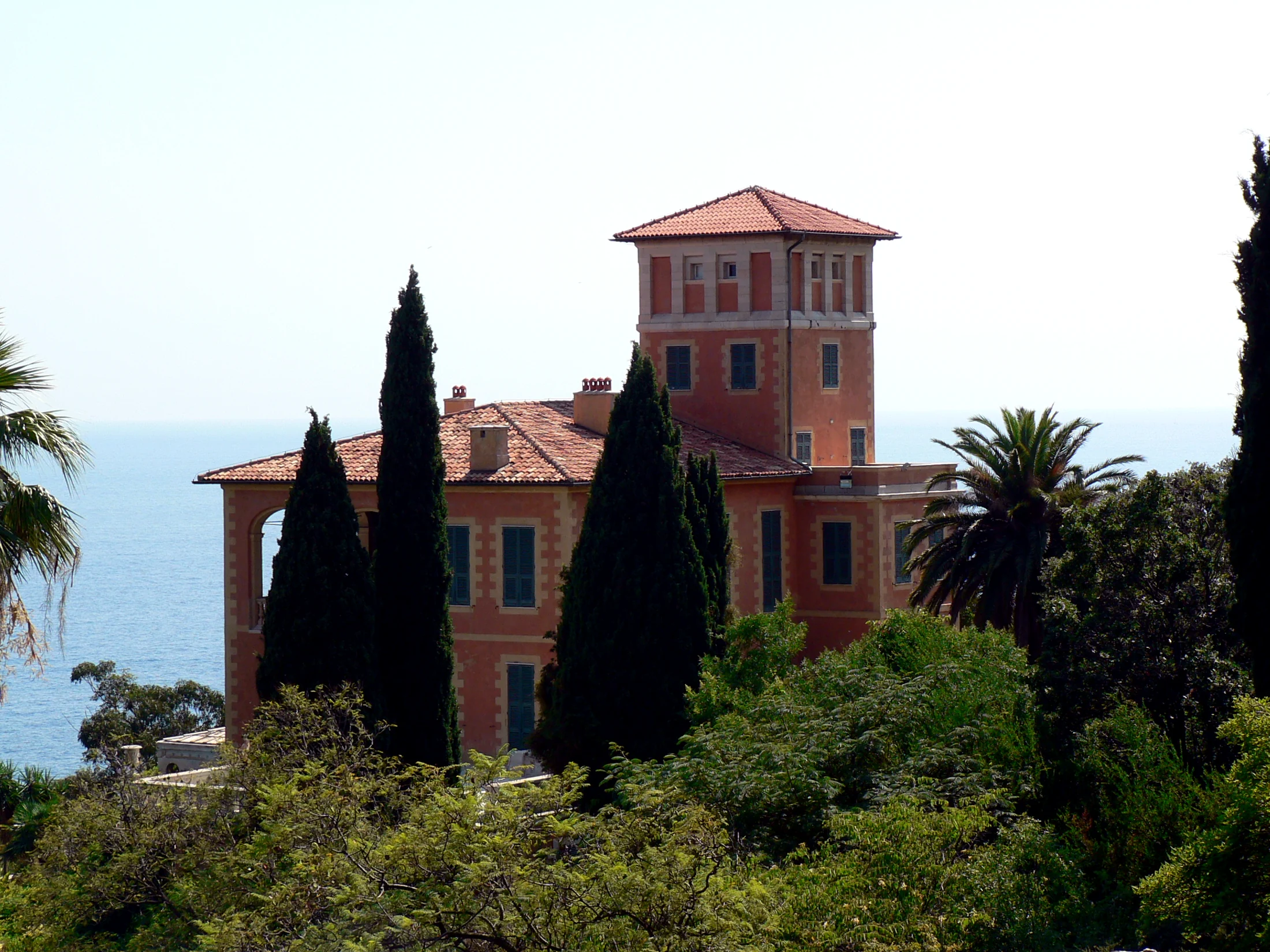
Ventimiglia is the last Italian town before France, and that border position has given it two souls: the medieval upper town perched on the hill and, a few kilometres to the west, one of the most famous botanical gardens in Europe.
Ventimiglia Alta
The medieval core climbs the hill with steep carruggi, the cathedral of the Assumption and the baptistery, Romanesque churches and views over the mouth of the Roia. It is the most authentic and least known part of the town: half a day of slow walking repays the climb.
The Hanbury Botanical Gardens
At La Mortola, on a headland sheer above the sea towards the border, the Hanbury Gardens gather thousands of species from all over the world around the villa commissioned by Thomas Hanbury in the nineteenth century. Today they are run by the University of Genoa and are visited along paths that descend from the villa to the sea. Opening hours and prices change with the seasons: check them before your visit. You reach the gardens by bus or car from Ventimiglia.
The Friday market
Ventimiglia's market is one of the largest in the area and has always drawn visitors from the nearby Côte d'Azur too: if your stay includes a Friday, the morning is worth it, allowing for traffic and full car parks.
Around Ventimiglia
From Ventimiglia you can climb in a few minutes into the Val Nervia (Dolceacqua, Apricale) and the villages of the far west; towards the sea, the Balzi Rossi with their prehistoric caves and the beach below the cliff are another stop that combines nature and archaeology.
Frequently asked questions
How long do you need for the Hanbury Gardens?
A couple of hours for an unhurried visit; the route is on a slope, with a climb at the end.
Can you reach Ventimiglia by train?
Yes, it is the terminus of the coastal line; the upper town is reached on foot uphill or by bus.
Are the Hanbury Gardens suitable for children?
Yes, with the sole caveat of the sloping paths and the sun in the middle hours of a summer day.